
Introduction to the Deepwater Challenge
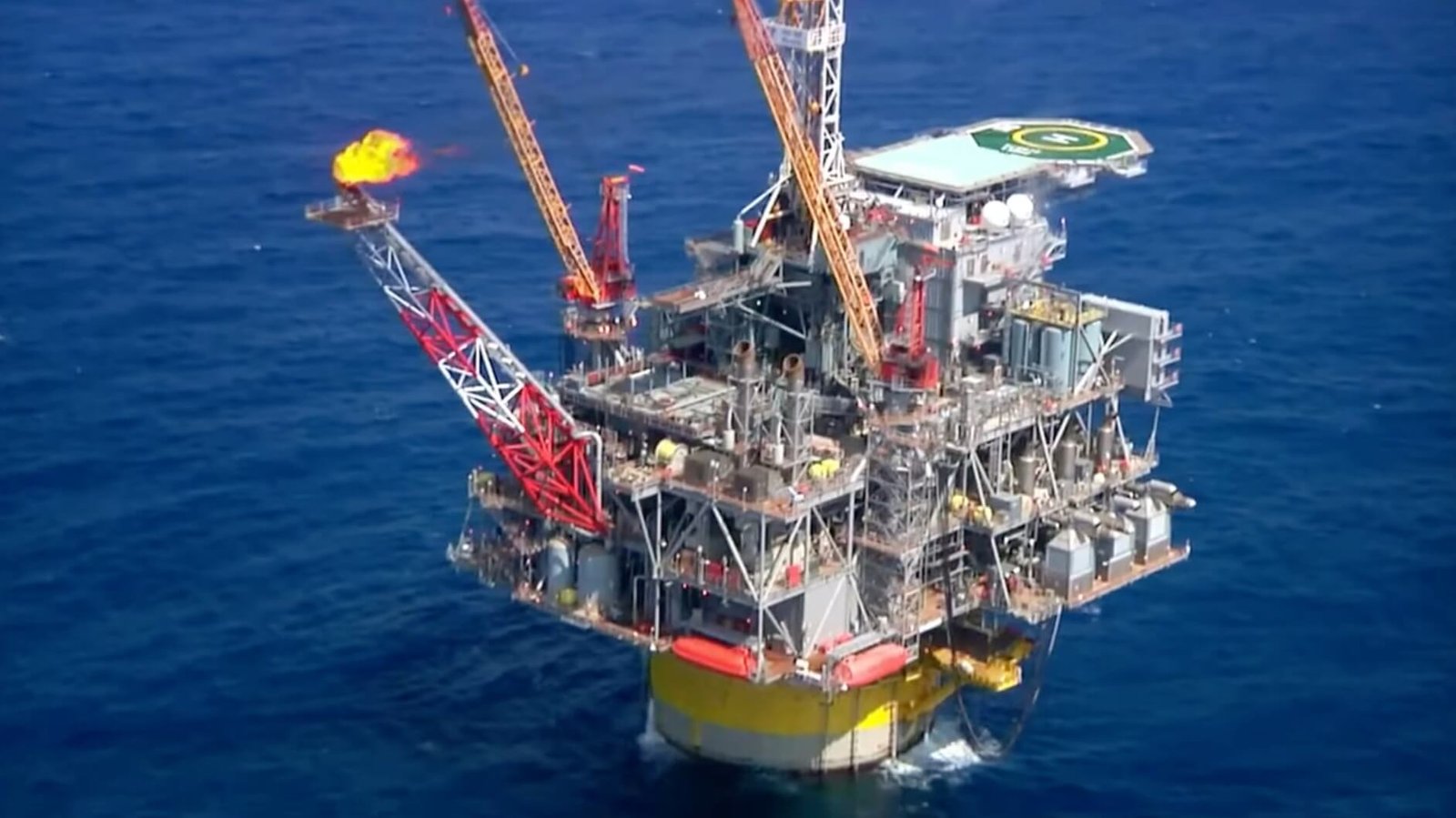
As the world’s conventional oil fields begin to plateau and decline, the petroleum industry has pushed into increasingly challenging environments. Among these frontier developments stands the Perdido spar platform, the deepest floating oil production facility ever constructed, operating in approximately 8,000 feet of water in the Gulf of Mexico.
Located 200 miles south of Galveston, Texas, the Perdido oil platform represents a remarkable achievement in deepwater engineering. The facility sits atop a massive floating structure that extends roughly 500 feet from the waterline, anchored by its own weight like a giant buoy in the ocean.
Understanding the Perdido Spar Platform Design
What Makes a Spar Platform Unique
The Perdido spar platform utilizes a cylindrical hull design—essentially a massive floating can held in position by its bottom-weighted structure. This innovative design provides exceptional stability even in rough seas. Unlike traditional fixed platforms, the spar’s buoyancy-based system allows it to float while maintaining minimal wave-induced motion, even during severe weather conditions.
The engineering brilliance of this design means that crew members experience remarkably little movement, even in heavy seas. This stability is crucial for maintaining continuous operations and ensuring worker safety in such a remote location.
How Perdido Oil Platform Was Built: A 14-Year Journey
The Development Timeline
The journey from initial lease acquisition to first production in March 2010 spanned an impressive fourteen years. The timeline breaks down into two major phases:
Evaluation Phase (1996-2006): The first decade was dedicated to technological development and feasibility studies. At the time of lease acquisition, Shell didn’t possess all the necessary technology for such an ambitious project. Engineers spent these years developing breakthrough solutions for deepwater production challenges.
Construction Phase (2006-2010): Active construction of the Perdido oil platform began in late 2006, with the final four years focused on fabrication, installation, and commissioning.
Revolutionary Technology Development
One of the most significant challenges in understanding how Perdido oil platform was built relates to its pioneering subsea processing systems. Perdido became the world’s first facility to separate oil, water, and gas on the seafloor before pumping products to the surface—a serial number one achievement that required extensive research and development.
The Perdido oil platform cost reflected this technological complexity, though specific figures remain confidential. The investment included not just the physical structure but years of research into subsea processing technology that would enable production from ultra-deep reservoirs.
Perdido Oil Platform Coordinates and Location
The Perdido oil platform coordinates place it in the Alaminos Canyon area of the Gulf of Mexico, approximately 200 miles from the Texas coastline. This remote location presents both challenges and opportunities. The Perdido oil platform depth of 8,000 feet (approximately 2,438 meters) of water makes it the deepest spar platform ever deployed.
Operational Excellence and Safety
Daily Operations
The facility accommodates 172 personnel who maintain around-the-clock operations. The platform is designed to produce up to 100,000 barrels of oil daily and 200 million cubic feet of gas per day. Supply vessels regularly deliver diesel fuel for backup turbine operations when gas is unavailable.
Remotely Operated Technology
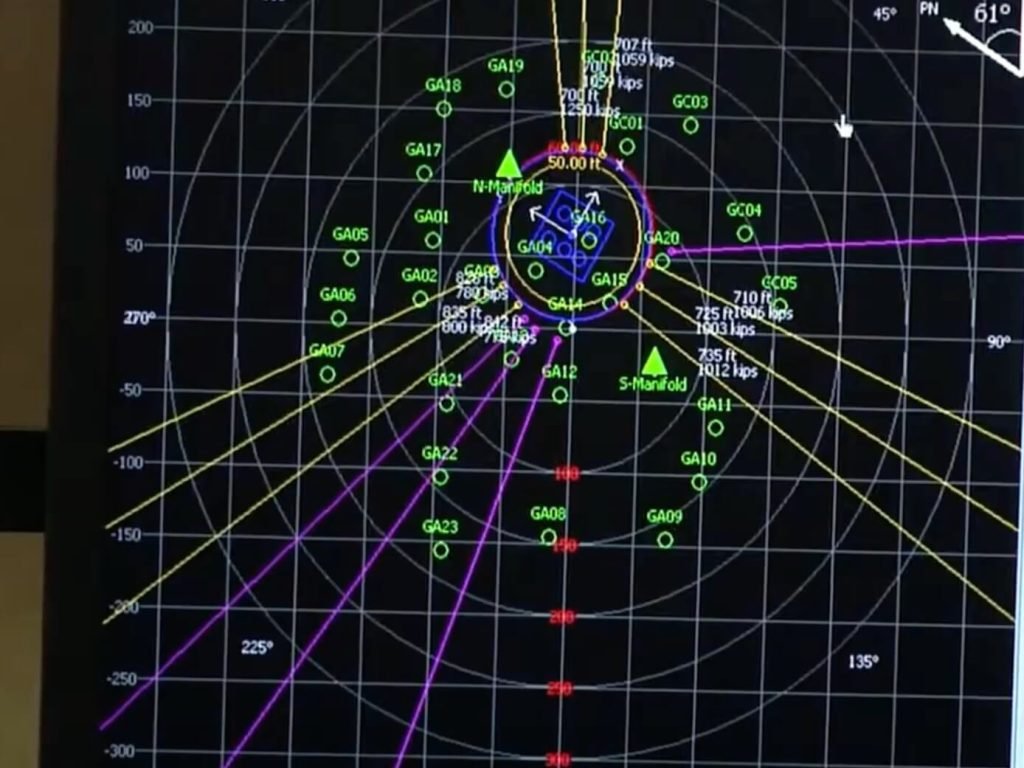
Modern deepwater operations rely heavily on remotely operated vehicles (ROVs). These sophisticated machines perform inspections, operate valves, and conduct maintenance work on the seafloor. The Shell Perdido platform control room also maintains remote connections with engineers in New Orleans, enabling real-time monitoring and technical support.
Hurricane Preparedness
Despite its robust design, the Perdido spar platform requires complete evacuation during hurricanes. The facility is engineered to withstand waves that can wash over the main deck, with all equipment secured and tied down before personnel departure. This design philosophy accepts that extreme weather will occur but ensures the facility can survive without human presence.
Safety Culture and Risk Management
The facility has achieved over 11 million man-hours without a lost-time accident—a remarkable safety record that reflects rigorous barrier management systems. Operations teams continuously evaluate potential hazards and implement multiple protective barriers. While sophisticated equipment provides numerous safeguards, the human element remains crucial in preventing incidents.
The Economics of Deepwater Development
Why Venture into Such Deep Waters?
The answer lies in global petroleum geology: the easily accessible oil has already been produced. Today’s discoveries exist in harsh environments that require advanced technology and substantial investment. The deepwater Gulf of Mexico, particularly in Lower Tertiary formations, contains billions of barrels of recoverable oil in a politically stable environment.
Currently, the Gulf of Mexico provides approximately 30% of US domestic oil production, with about a quarter coming specifically from deepwater leases. The Perdido oil platform and similar facilities represent essential infrastructure for maintaining domestic energy security.
Long-Term Production Outlook
The facility is projected to operate for 20-25 years, contributing to energy supplies as global demand continues rising while conventional sources become increasingly difficult and expensive to develop. This long production timeline helps justify the substantial upfront investment and technological development required for such projects.
Conclusion: The Future of Deepwater Production
The Perdido spar platform stands as a testament to human engineering capability and the petroleum industry’s ability to overcome extreme technical challenges. As conventional oil fields mature, facilities like Perdido become increasingly important for meeting global energy demands. The lessons learned and technologies developed for this pioneering project continue to inform deepwater development worldwide, pushing the boundaries of what’s possible in offshore oil production.